Panchakarma Treatment Benefits, Process & Ayurvedic Care
Panchakarma Treatment is a traditional Ayurvedic approach that focuses on cleansing, rejuvenation, relaxation, and supporting overall well-being. Rooted in the ancient principles of Ayurveda, Panchakarma combines personalized therapies, dietary recommendations, herbal preparations, and lifestyle practices according to an individual’s needs. It is generally planned under the guidance of a qualified Ayurvedic practitioner after assessing the person’s health, constitution, and wellness goals.
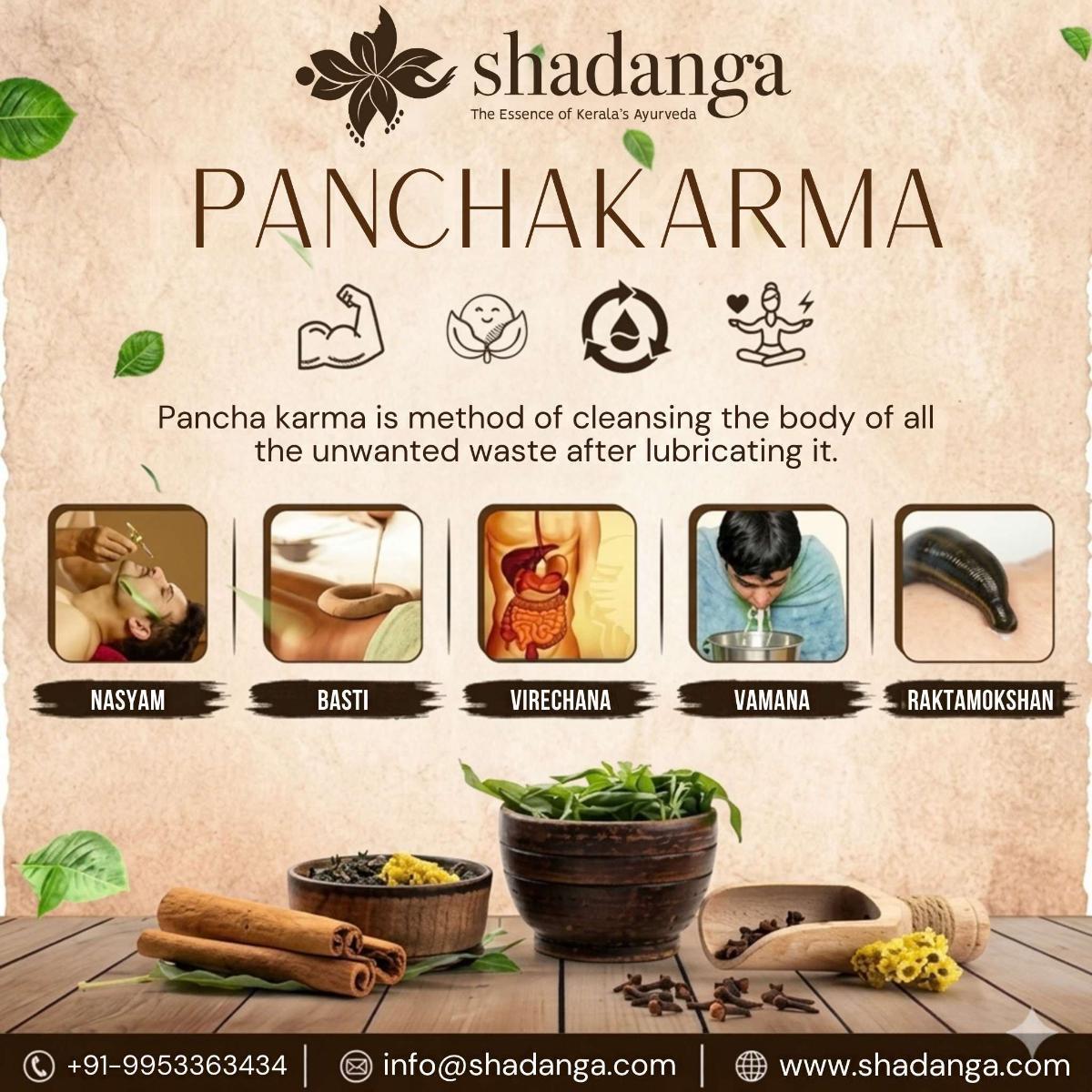
The Panchakarma Treatment process may begin with preparatory therapies designed to prepare the body for subsequent Ayurvedic procedures. Commonly used therapies can include Abhyanga, a traditional Ayurvedic oil massage, and Swedana, or herbal steam therapy. Depending on the individual assessment, an Ayurvedic practitioner may recommend specific Panchakarma procedures such as Vamana, Virechana, Basti, Nasya, or Raktamokshana. The therapies selected can vary from person to person, and not every procedure is appropriate for everyone.
One of the important aspects of Panchakarma Treatment benefits is its holistic approach to wellness. Traditional Ayurvedic care aims to support digestive wellness, relaxation, energy, sleep, and general balance. Panchakarma programs may also incorporate herbal formulations, suitable meals, adequate rest, meditation, yoga, and daily routine recommendations. These complementary practices can make the overall Ayurvedic wellness experience more personalized and structured.
Proper Ayurvedic care during Panchakarma is also an important part of the process. Individuals may receive specific dietary and lifestyle guidance before, during, and after treatment. Light and easily digestible foods may be recommended during certain stages, while adequate rest and hydration can be encouraged according to the practitioner’s advice. Post-treatment care is often focused on gradually returning to regular dietary and lifestyle habits.
People considering Panchakarma Treatment should seek guidance from a qualified and experienced Ayurvedic practitioner. A professional assessment can help determine which therapies are suitable and how the treatment should be planned. Panchakarma is not a one-size-fits-all procedure, and the duration, therapies, diet, and aftercare may differ depending on individual requirements.
Understanding the Panchakarma Treatment process, benefits, therapies, and Ayurvedic care can help individuals make informed decisions about incorporating traditional Ayurvedic wellness practices into their lifestyle.
It is ok to contact this poster with commercial interests.
Call seller